Introduction to Sustainable Fabric Dyes
Sustainable dyes for fabrics are gaining global attention as the textile industry shifts toward
eco-friendly and responsible production practices. Derived from natural and renewable sources,
these dyes reduce environmental impact while offering rich, organic color palettes suitable for
fashion and home textiles.
Natural Plant-Based Dyes
Plant-based dyes have been used for centuries and remain a cornerstone of sustainable textile
coloration. These dyes are biodegradable, non-toxic, and safe for both artisans and end consumers.
- Indigo: Produces deep blue shades from the Indigofera tinctoria plant, famously used for denim.
- Madder Root: Extracted from Rubia tinctorum, yielding rich reds, pinks, and orange hues.
- Turmeric: Offers bright golden-yellow shades derived from the turmeric root.
- Onion Skins: Creates yellow, orange, and warm brown tones using discarded onion peels.
- Pomegranate Rind: Produces soft yellow and beige shades with excellent color fastness.
- Hibiscus Flowers: Delivers soft pinks to purple hues depending on mordant and fabric type.
Natural Dyes from Flower Waste
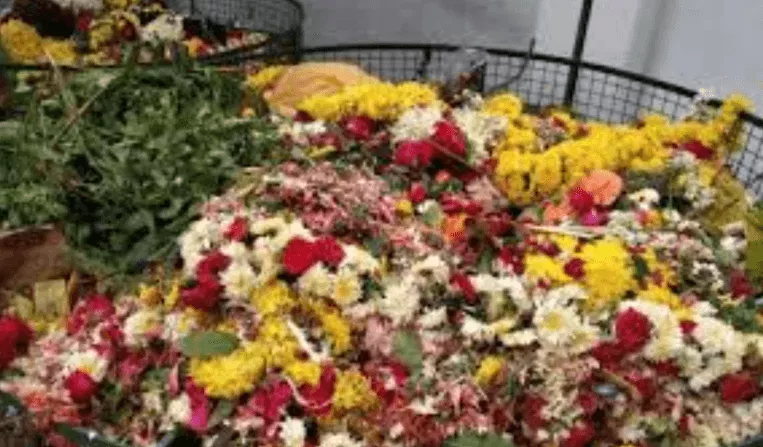
India’s rich cultural heritage involves the extensive use of flowers in religious ceremonies,
festivals, and decorative practices. A significant portion of these flowers—nearly 40% of total
production—goes unsold and becomes urban waste every day.
This floral waste presents a valuable opportunity for sustainable innovation. Discarded flowers,
especially from temples, can be repurposed to extract vibrant, natural dyes for the textile industry.
Dyes derived from marigold and rose waste are non-toxic, non-allergenic, and abundantly available,
making them an economical and environmentally friendly alternative to synthetic dyes.
Methodology of Flower-to-Dye Processing
Collection
Large quantities of discarded flowers are collected from temples and organic waste from local markets,
preventing them from entering landfills or water bodies.
Processing
Artisans dry and process these flowers along with other natural materials such as onion skins and
coconut husks. The materials are transformed into powdered or liquid natural dyes through
traditional and low-impact methods.
Dyeing
The extracted dyes are applied to silk and cotton fabrics, producing rich yellows, deep purples,
and soft pink hues with a natural, earthy aesthetic.
Products
Using these sustainable dyes, artisans create scarves, apparel, table linens, and tote bags,
offering eco-friendly alternatives to chemically dyed textiles.
Social Impact
Initiatives such as the
Temple Blessings Project provide on-the-job training to women
from low-income communities. The program focuses on eco-friendly dyeing practices, water recycling,
and design skills, creating both environmental and social value.
Key Takeaways
- Transforms urban floral waste into a sustainable textile dye solution
- Reduces environmental pollution caused by chemical dyes
- Creates non-toxic, skin-safe, and biodegradable fabric colors
- Generates livelihood opportunities through skill development
- Positions flower-to-dye innovation as a scalable sustainability model
Nature converts a significant urban waste challenge—temple floral waste—into a beautiful,
eco-conscious solution for the textile industry. This approach stands as a leading example of
flower-to-dye fabric innovation in cities like Mumbai and beyond.
Tags: Sustainable Dyes, Natural Fabric Dyes, Plant-Based Dyes, Flower Waste Dyes,
Eco-Friendly Textiles, Textile Sustainability, Natural Dyeing Techniques

