Craft Is a Verb: The Guiding Theme
Artificial intelligence has long been an integral part of design—precise, efficient, and omnipresent.
At the same time, there is a growing desire for the handmade, for intuition, tactility, and irregularity.
It is within this creative tension that the Heimtextil Trends 26/27 unfold, guided by the central theme
“Craft is a verb.”
Trend Insights: Alcova x Heimtextil
The six trends identified through the Alcova x Heimtextil collaboration reveal how craftsmanship and
high-tech processes converge in contemporary textile design. Digital workflows, AI-supported design
tools, and traditional material techniques influence and complement one another, creating new forms
of collaboration between humans and machines.
These trends offer fresh perspectives on how future design processes, production methods, and aesthetic
expressions will evolve across the global textile industry.
Textiles Between Craftsmanship and Digitality
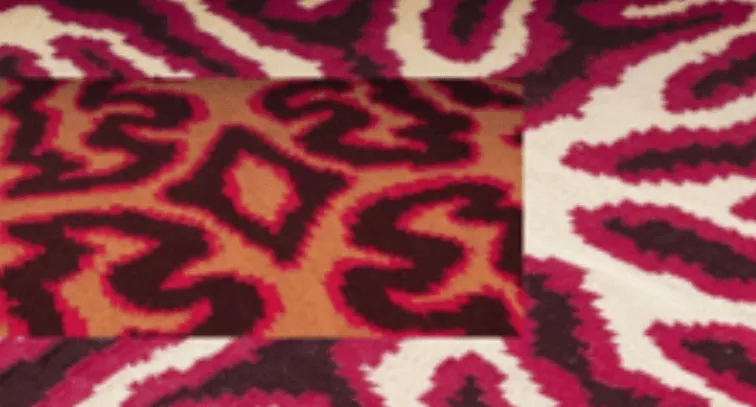
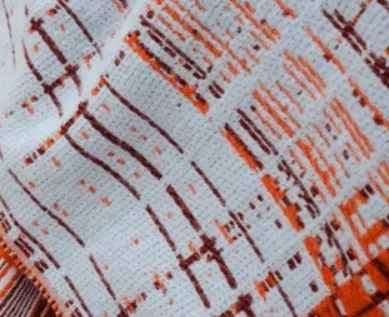
Textiles at the intersection of analogue and digital media are defined by the translation of hand-drawn
sketches into digital renderings, which are then realized as jacquards or embroideries. The resulting
works visualize an ongoing dialogue between tradition and technology.
Characteristic features include glitch-inspired motifs, pixelated color gradients, and digitally altered
hand drawings that express a hybrid aesthetic language.
Trend II: Visible Co-Work
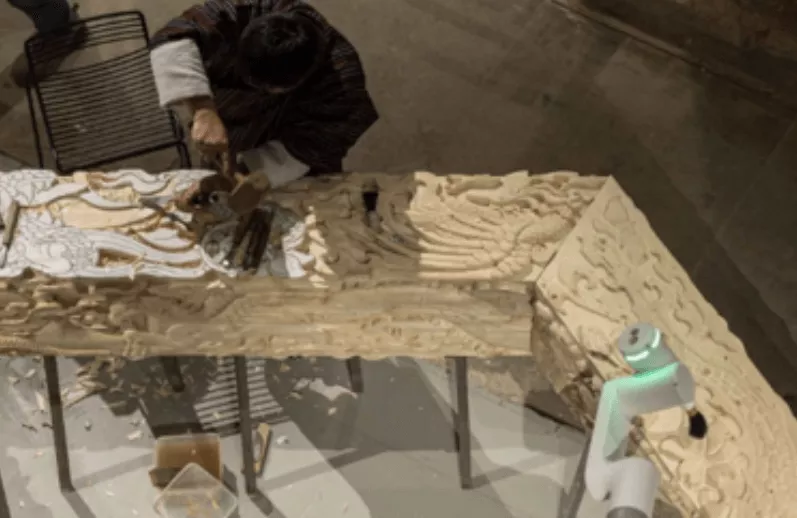
In this trend, artificial intelligence and craftsmanship exist on equal footing. AI generates the initial
design concepts, while human hands complete and refine them. The outcome is hybrid textiles that interweave
digital code and traditional techniques.
Examples include digitally embroidered linen, 3D-knitted patchworks, and generative patterns applied to
classic fabrics. The boundary between machine and maker continues to blur.
Trend III: Sensing Nature
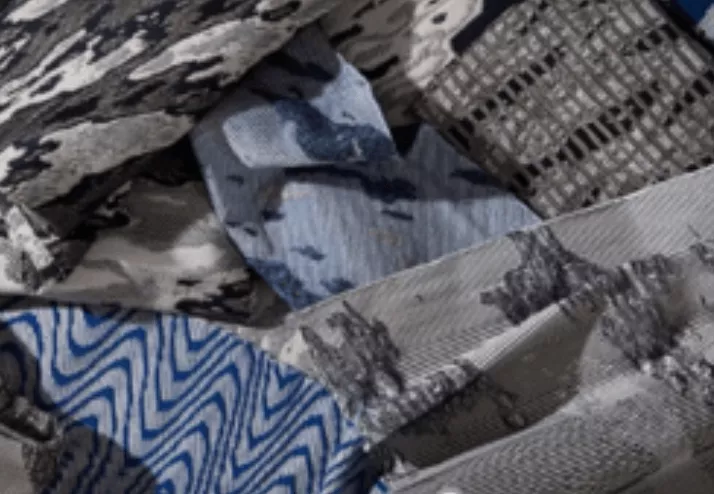
Nature serves as both inspiration and system. Rather than being directly imitated, natural forms, rhythms,
and structures are decoded and transformed into textile patterns through digital interpretation.
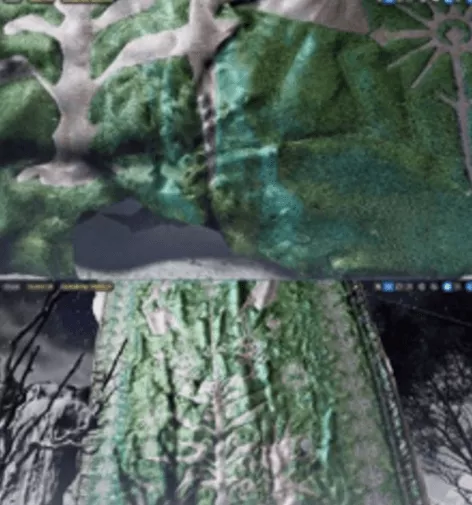
Digital tools act as translators—transforming the rough surface of the sea into structured grids, or
converting lichen formations on rock surfaces into algorithmically generated decorative motifs.
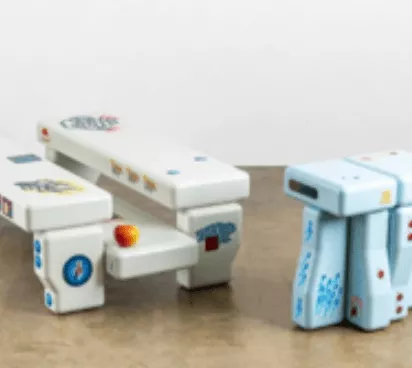
A Playful Touch
As design increasingly prioritizes optimization and functionality, decorative details are reclaiming their
space—not for utility, but for joy. A ruffle on a minimalist curtain, a neon accent on a natural linen
blanket, or a deliberately placed tassel introduces moments of surprise.
These playful elements create intentional interruptions, reminding us that textiles can convey emotion,
lightness, and humor alongside function.
Crafted Irregularity
Fabrics featuring nodules, uneven dyeing, visible seams, and asymmetrical finishes take center stage.
These materials do not hide the hand of the maker—instead, they celebrate it as a counterbalance to the
flawless perfection often associated with AI-assisted design.
Trend VI: The Uncanny Valley
Technical components such as wires, connections, and coils are no longer concealed. Instead, they are
intentionally exposed and highlighted as design elements.
By drawing attention to the inner workings of machines, these textiles reveal what is usually hidden.
The result is a playful, slightly surreal aesthetic—one that feels unfamiliar, futuristic, and almost
extraterrestrial.
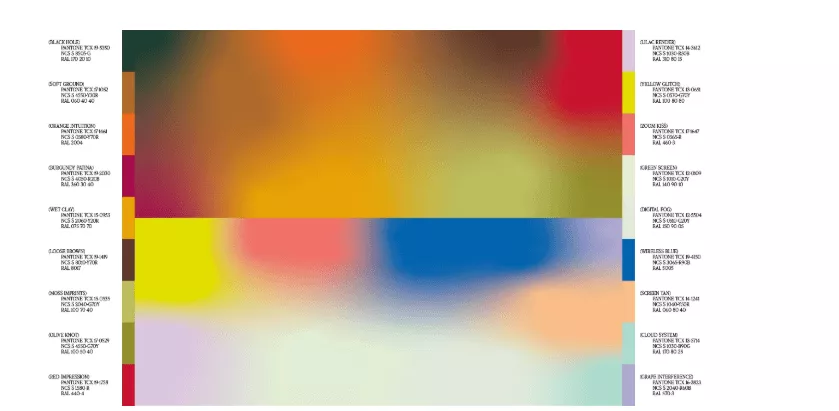
Heimtextil Trends 26/27 Colour Palette
The color palette spans grounded, earthy tones and digitally disruptive accents. Shades such as sand,
clay, soot, olive, and tree bark convey stability, materiality, and a strong connection to nature.
This calm foundation is intentionally interrupted by sharp, synthetic hues—acidic green, digital lilac,
and bright screen blue. These visual “glitches” introduce tension and transform the palette into a
dynamic, expressive statement.
Tags: Heimtextil Trends 26/27, Textile Trends, Craft Is a Verb, AI in Textile Design,
Digital Craftsmanship, Future Textiles, Interior Design Trends, Color Trends 2026