Introduction: Tradition Meets Technology
Between the time they bloom and fade, flowers live a fleeting yet revered existence—offered in prayer,
as blessings, or symbols of devotion. Similarly, textiles move quietly through every aspect of daily life,
often undervalued despite their profound impact. Automation shares this same paradox: essential, powerful,
yet largely misunderstood outside its industry.
The Growth of the Indian Textile Industry
The Indian textile industry is witnessing tremendous growth, driven by sustainability initiatives,
technological advancements, and rising global demand for eco-friendly textiles. With increasing exports
and a dynamic domestic market, the sector presents vast opportunities for innovation in design, material
science, and advanced manufacturing.
Automation and Textiles: A Shared Evolution
Automation and textile manufacturing share common challenges—both are often underestimated by the general
consumer despite being integral to modern life. As the textile industry expands beyond traditional weaving,
automation plays a critical role in reshaping efficiency, precision, and scalability across production stages.
Textile Production Automation
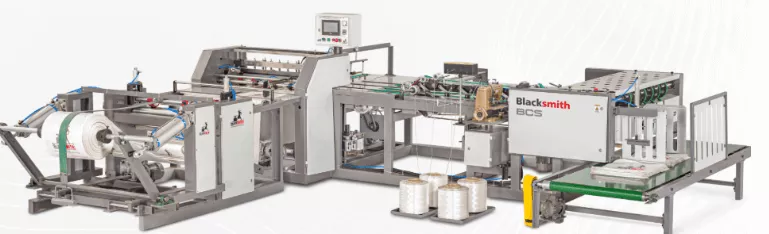
Automation significantly improves production speed, consistency, and accuracy. Advanced robotics and
AI-driven systems now perform fabric cutting, sewing, dyeing, and finishing operations with high precision,
reducing human error and increasing output.
Global Examples of Automation in Action
Zara utilizes automated systems for fabric cutting, dyeing, and packing, allowing rapid responses to fashion
trends and supporting its fast-fashion business model.
Nike employs robotic automation in manufacturing its Flyknit shoes, ensuring precision knitting while
minimizing material waste and maintaining consistent product quality.
Cost Efficiency and Quality Enhancement
Automation leads to long-term cost savings by reducing labor expenses, minimizing material waste, and
optimizing resource utilization. These efficiencies enhance brand competitiveness in a fast-evolving
global textile market.
Automated Sewing and Smart Manufacturing
Automated sewing robots now deliver consistent stitching with minimal human supervision.SoftWear Automation’s Sewbots have expanded global deployments by automating t-shirt manufacturing
facilities in Bangladesh and Vietnam.
AI-Powered Inspection and Quality Control
Automated inspection systems detect defects such as misweaves, stains, and inconsistencies in real time.
Tukatech’s SMARTmark integrates AI-based inspection software to optimize fabric utilization and ensure
defect-free marker planning during the cutting process.
Autonomous quality audits further combine artificial intelligence, vision systems, and predictive analytics.
Lectra’s AI-powered Kubix Link enables digital material quality assessment, improving accuracy and traceability.
Automation in Weaving: Precision and Productivity
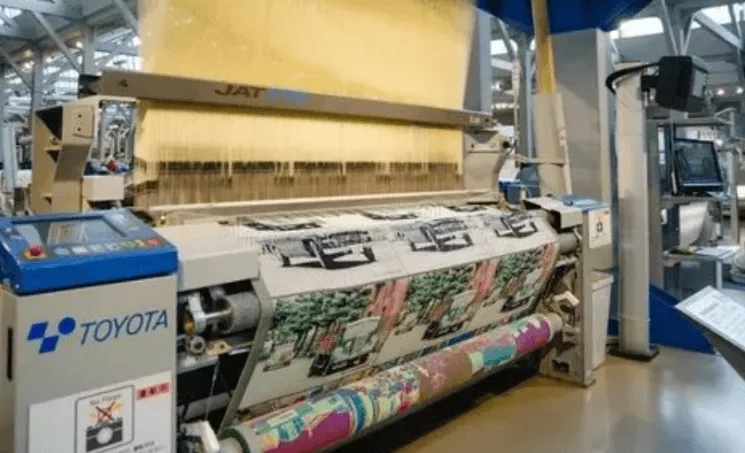
Automation is transforming weaving by enhancing precision, productivity, and fabric quality while reducing
operational costs. This seamless integration of tradition and technology marks a new era of innovation in
textile manufacturing.
Key Trends Shaping the Future of Textile Automation
- Craftsmanship and Technology: A fusion of digital processes with traditional material
techniques, highlighted in the Trend Arena at Heimtextil 2026.
- Sustainability and Eco-Friendly Practices: Increased use of recyclable materials,
durable products, and conscious manufacturing methods.
- Innovative Materials and Techniques: Development of advanced yarns and printing
technologies that reduce water consumption and greenhouse gas emissions.
- Design and Functionality: A focus on aesthetics combined with performance, delivering
textiles that offer both visual appeal and practical benefits.
- Future Continuous: A guiding theme reflecting the ongoing evolution of textile
production through automation, AI, and sustainable innovation.
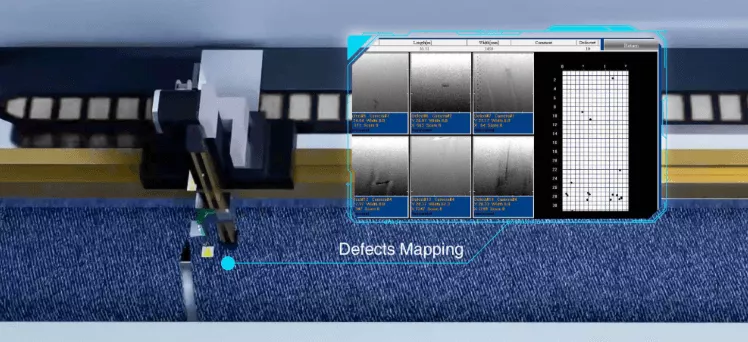
AI Automated Visual Inspection Systems
AI-driven visual inspection systems represent the future of quality assurance in textile production.
By leveraging machine learning, computer vision, and real-time analytics, these systems ensure defect-free
output, improved efficiency, and consistent quality across large-scale manufacturing operations.
Conclusion: The Future of Automated Textile Production
Automation is redefining the textile industry by combining efficiency, sustainability, and innovation.
As technology continues to evolve, automated systems will play an increasingly vital role in shaping
the future of textile design, production, and global competitiveness.
Tags: Textile Automation, Automation in Textile Production, Smart Manufacturing,
AI in Textiles, Sustainable Textile Industry, Automated Weaving, Textile Technology Trends

